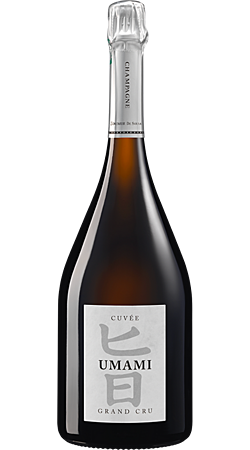
The history of the De Sousa family
From Portugal to France
The De Sousa Househas its beginnings in the era of theWorld War IwhenManuel De Sousaleaves the province ofBragasAtPortugaland arrives in France to join the "poilus" (French infantrymen). At the end of the war, he decides to settle inFrancehasAvizewith his wife and son, Antoine. Struck by illness at only 29 years old,Manuel De Sousadies suddenly.
A few years later,Antoine De SousaHe met Miss Zoémie, née Bonville, who came from a family of winegrowers established in Champagne for several generations. They married under the name ofDe SousaThis is the beginning of a great story that will last.several generationsIn fact, it's todayErick De Sousawhich represents the 3rd generation since1986A true workaholic with a focus on excellence, he continues the story of this house, now renowned in the field.
The terroir of Champagne De Sousa
Champagne and biodynamics
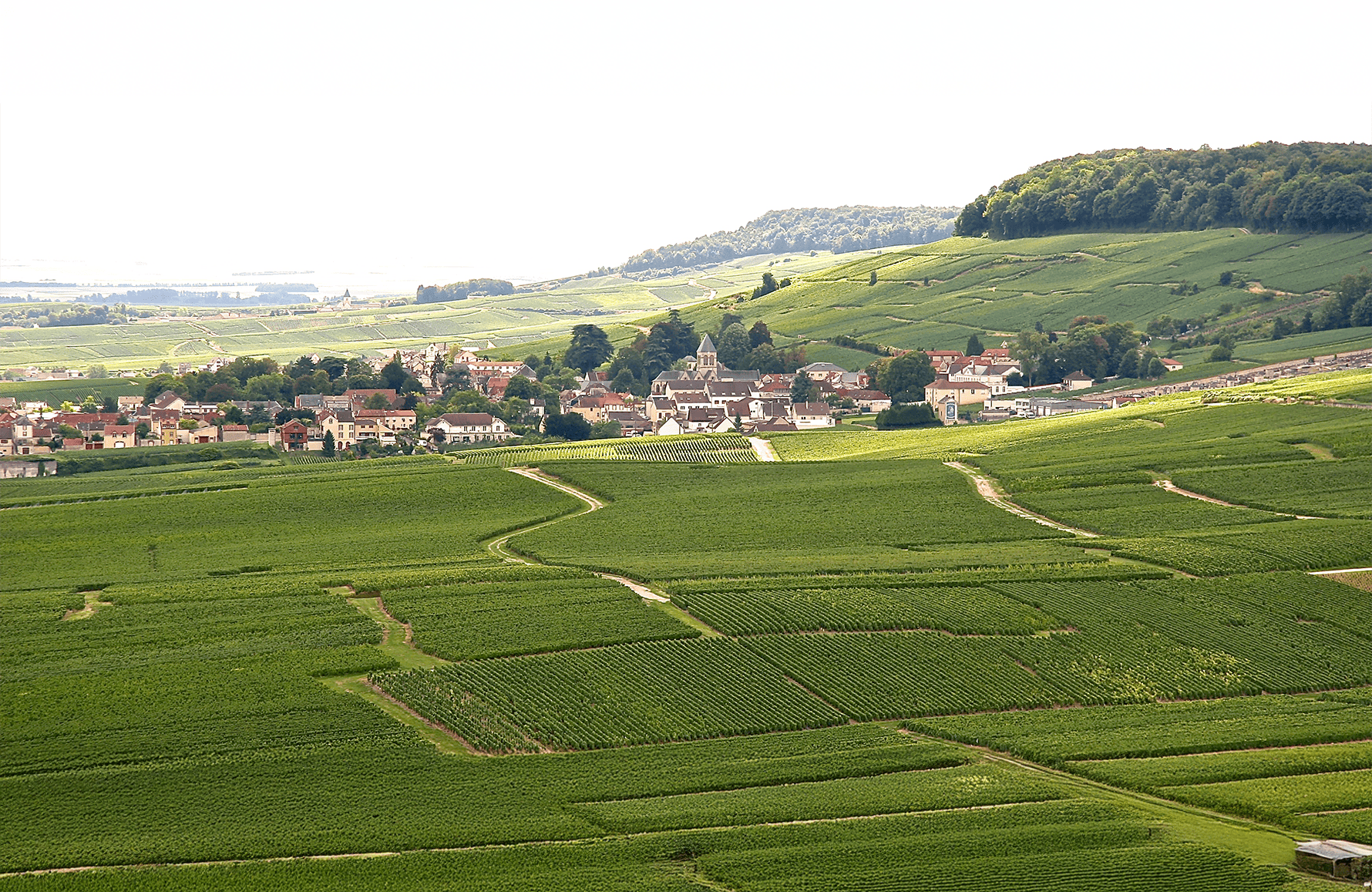
At the helm of the estate since 1986,Erick de Sousaaims to get the most out of its vines. The vineyard now covers an area of approximately10 hectaresand expresses the authenticity of Champagne grape varieties such as theChardonnay, Pinot Noir and Pinot MeunierIn total,42 plotsare worked by the house and the ground is composed of100% chalkOn average, the vines are 45 years old! The advanced age of the vineyard gives the grapes a great aromatic richness and a beautiful concentration.
In1995, Erick De Sousaattempts a first vinification in barrels and pursues his convictions to embark on theorganic farmingIt took ten years forErick De Sousarequests the label, and finally obtains theorganic certification in 2010With the aim of continuing to work the vineyards while respecting the environment, the house is being converted intobiodynamic farming in 2013.Erick de Sousais now considered a true benchmark inChampagneNo pesticides or chemical fertilizers are used; instead, organic active ingredients are employed to protect the vines. Furthermore, working in the vineyards on horseback is encouraged, as is the use of rock crystal to channel positive energy.
The winemaking process of Champagne De Sousa
With respect for the environment
Vine cultivation is spread around60% Chardonnay, 30% Pinot Noir and 10% MeunierOn average, the vines are...45 years oldand the soil work is mostly done with horses. Only certain plots are worked with tractors.
Erick de SousaThe aim is to get the best from its vines. That's why the team waits as long as possible before harvesting, with sugar levels at picking between 11 and 11.5°C. This allows the grapes to reach optimal ripeness. Fermentation then takes place between15 and 20 daysand the types of tanks used for aging are insteel and/or oak.No filtration or bondingis not carried out and theThe stirring is done in the barrelThe winemaking process is traditional, with malolactic fermentation to round out the wines. The wines are aged in chalk cellars typical of Champagne, at a constant temperature of 10°C.
Fermentation and winemaking are carried out with the utmost respect for Champagne traditions.