The history of Château Labégorce
THE PASSION FOR VINES SINCE 1932
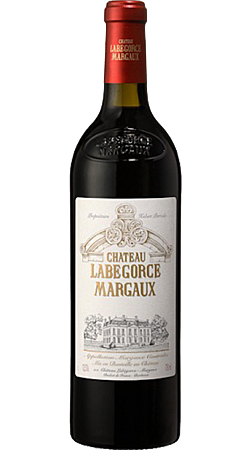
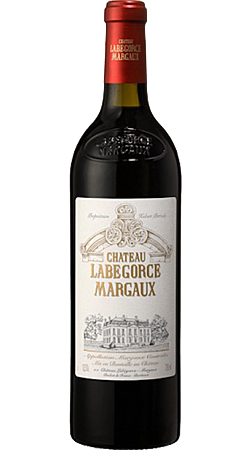
The story of theLabégorce houseis one of the oldest in the appellationMargauxThe development of viticulture under this name dates back to 1332. It is indeed the familyGorssewhich took root in the Middle Ages. TheAbbé Gorcehas made history, which will lead to choosing its title to name the property.
During the French Revolution, the vineyard was divided into three plots. The wine produced at the Château was once considered one of the finest Crus Bourgeois Supérieurs of the appellation. In 1865, Mr. Fortuné Beaucourt significantly expanded the business, the vineyards, and the reputation of Château Labégorce.
The estate's infrastructure was also modernized in the 19th century. The famous industrialist and art lover,Hubert Perrodo, already owner of Château Marquis d'Alesme, acquired the Château in 1989. With his ambition to reunite the three original estates, he participated in the development of the vineyard.
Unfortunately, it was decided before seeing his ambitions realized; it was his daughterNathalie Perrodo-Samaniwho will take over. Château L'Abbé Gorsse in Gorsse was purchased in 2002 and the Labégorce Zédé vineyard was acquired in 2005.
With the help of the oenologistMarjolaine Maurice de ConinckNathalie wishes to pass on the family tradition attached to the Château.
The magnificent terroir of Margaux
A TAILOR-MADE VITICULTURE SINCE 2005
It's about the nameMargauxThe vineyards of Château Labégorce are located on the left bank of Bordeaux. Situated on a gentle slope, the 70 hectares benefit from ideal natural drainage. The vines, composed of Cabernet Sauvignon (50%), Merlot (45%), Cabernet Franc (3%), and Petit Verdot (2%), share a terroir made up ofgravel, silt and sand.
The gravelly soils, emblematic of the Margaux terroir, allow for the absorption of heat during the day and its redistribution at night. In this way, the vines do not suffer from significant temperature fluctuations. The sandy-loam soil, for its part, ensures water filtration, which is also beneficial for the vines. Viticulture is practiced sustainably, with canopy management to ensure the grapes have access to the Médoc sunshine.
The technical director,Fabrice Raymondcoordinates activities and ensures that each grape variety can draw its strength from the terroir. In this sense, the successive purchase of the three châteaux up to 2005 allowed the technical teams to reorganize the vineyard.
The expertise of a renowned oenologist
THE MAKING OF A PLEASURE WINE
After a hand-harvested grape harvest, the bunches are prepared for vinification. Two sorting processes are carried out, one before and the other after destemming. Vinification is conducted according to traditional methods. Fermentation and maceration take place in temperature-controlled stainless steel and concrete tanks. The wines are then aged for a period of 12 to 15 months, depending on the vintage.
Each barrel is made with 40% new oak. This percentage gives grape varieties like Cabernet Sauvignon aromas of toast and chocolate. The Merlots, on the other hand, express their full roundness. This is all done under the watchful eye ofMarjolaine Maurice de Coninckthat the wines are blended.
Nathalie Samani-Perrodointends to make these vintages into wines of pleasure.Hubert PerrodoHis father regularly visited the estate to spend time with his family and share moments of pleasure.