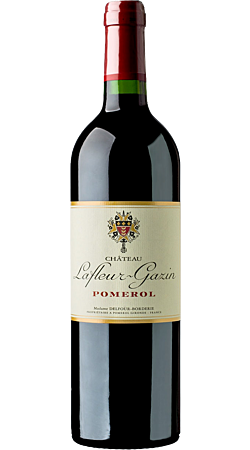
The history of Château Lafleur-Gazin
Eric Murisasco and the renewal
THEChâteau Lafleur Gazinis part of the heritage ofDelfour-Borderie familyFor three generations, they have cultivated vines in the region for some time. Thus, at the beginning of the 20th century, their production from Château Lafleur-Gazin was destined for wine merchants. While the family managed the estate alone for a while, they eventually decided to sharecrop it. Since 1976, it has been managed by the establishmentsJP Moueixwho cultivate the Château's vineyard. They truly contribute to the estate's reputation. The Moueix family is famous in the region ofPomerolJean-Pierre Moueix, originally from the Creuse region, left his home area after the war to start a wine trading business. He acquired vineyards and developed numerous activities related to wine. His son Christian and grandson Édouard are committed to developing the Moueix brand while ensuring its diversity.
They decide to place at the head of the estateEric Murisasco, starting in 2007, in order to breathe new life into Château Lafleur-Gazin. ArenewalThe production process is then observed to the great delight of wine lovers.
The vineyards of Château Lafleur-Gazin
Traditional and fair viticulture
It's on the right bank of Bordeaux, north of the appellationPomerolwhere is theChâteau Lafleur-GazinLocated between the renowned Château Lafleur and Château Gazin, the estate covers 8.5 hectares. The two flagship grape varieties of the region, with an average vine age of thirty years, share this area. Merlot accounts for 80% of the production and Cabernet Franc 20%.
These grape varieties are grown primarily in gravelly soils, as well as silt and clay. The gravel absorbs and retains the daytime heat, while the silt and clay filter the water and keep the subsoil cool. The grapes thus thrive in a balanced environment, allowing them to reach full maturity. Cultivated in atraditionalThe vineyard benefits from oceanic influences that help to counterbalance the summer heat. In this way, the grapes are less susceptible to disease.
A winemaking process marked by modernity
The production of a supple and lively wine for aging
After a hand-harvesting by the winemaking team, the Merlot and Cabernet grapes are brought to the winery. Sorted before being destemmed, the berries are then placed in small, temperature-controlled stainless steel tanks. Following fermentation and maceration lasting 15 to 20 days, the young wines are moved to the aging cellar.
The French oak barrels, renewed every four years, house the must for a period of 20 months. Following this aging process, the wines are blended to reveal their full suppleness and vibrancy.
Since the arrival ofEric MurisascoAt the Château, great efforts have been noted in the winemaking process. The vintages ofChâteau Lafleur-Gazinare now recognized worldwide for their supple and silky character. These are wines made for aging, offered to discerning wine lovers.Pomerol.