The long history of Clos de Tart
Only four owners in nine centuries of history
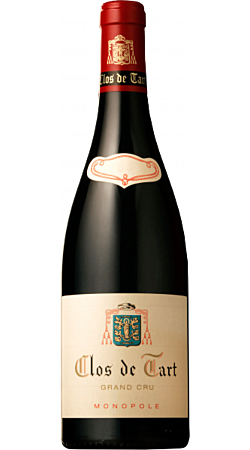
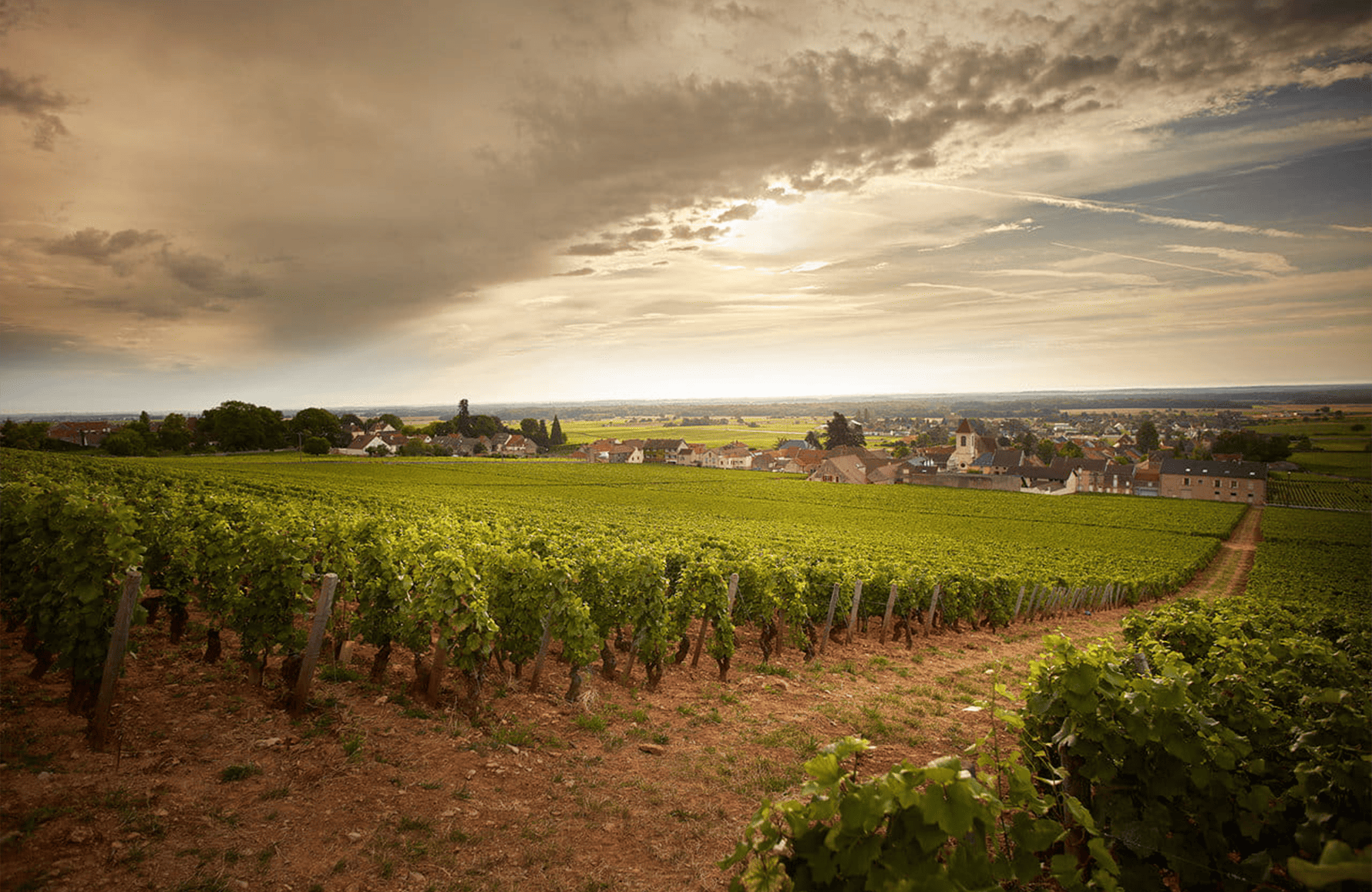
THEClos de Tartwas founded in 1141 by the Bernardine nuns of the Abbey of Tart, a dependency ofCîteaux AbbeyThe Marey-Monge family acquired it in 1791 and remained the owners until 1931, when the Mommessin family from Mâcon bought the estate. Since spring 2018, Clos de Tart has belonged toFrançois Pinaultwho retains as managerJacques Devauges, present at the estate since 2015. Thus, this 7.5-hectare vineyard, located on the expanse ofMorey-Saint-DenisinCôte de Nuits, has not experienced any division in nine centuries of history and is currentlythe largest Grand Cru Monopole in BurgundyJacques Devauges has done remarkable work since his arrival at the estate by deepeningplot maintenanceof the vine which is now cultivated entirely in abiologicalby specifying the toasting choices and significantly reducing the amount of new wood among the aging barrels. Clos de Tart has gained infinesse and elegancewhile retaining the depth of flavor that made itrenowned.
The old vines of Clos de Tart
A complex geology and a unique orientation for the region
The 7.53 hectares of vineyards extend in a single block, 300 meters long by 250 meters wide, and areaged on average 60 yearsthe oldest feet protruding100 years old. AtClos de Tart,The grapes benefit from ideal sun exposure thanks to an east-southeast exposure, allowing for early ripening. The name Clos comes from the 1.2-kilometer stone wall that borders the vineyards and has recently been fully restored. The terroir's geology is more complex; several types of limestone make up the estate's clay-limestone soil and create6 distinct microclimatesThese microclimates are cultivated and harvested separately as if they were different appellations. Finally, the vines of Clos de Tart have asingular orientationfor the region: they are plantedperpendicular to the slopeThis reduces soil erosion and provides more even sunlight to the grape bunches, as both sides are successively illuminated between morning and evening. This orientation and the resulting slope complicate the mechanization of cultivation, which is therefore carried out mainly by hand and in a...biological.
The wines of Clos de Tart
Between modernism and classicism
Once the grapes are hand-harvested, they are sorted. The different cuvées are then vinified in tanks for alcoholic fermentation. The winery is very well-equipped and modern. Then the cellar ofClos de Tart,Very traditional with its exposed beams and Burgundian flagstone walkway, the winery houses the different wines. These are aged in new oak barrels for 10 months, during which malolactic fermentation takes place. The winery is equipped with an air conditioning system to regulate temperatures throughout fermentation. The wines are then moved to cellars for 8 to 12 months of aging. The wines are blended before bottling. Two wines are produced at the estate,Clos de Tart Grand Cruand thePremier Cru La Forge de TartMade from grapes grown on vines less than 25 years old, this second wine shares the same characteristics as the Grand Cru and receives the same care. Only the younger vines give it less structure, making it more approachable at a younger age. Clos de Tart Grand Cru is a complex, powerful, full-bodied, and elegant wine. It offers a floral nose and aromas of cherry, red fruit coulis, and licorice. While it can be enjoyed quite young, this great wine, meant for aging, will reveal its full complexity after a few years.several years in the cellar.