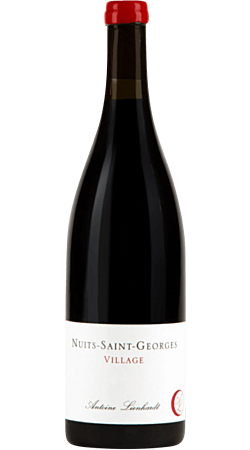
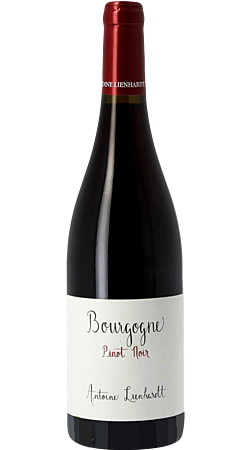
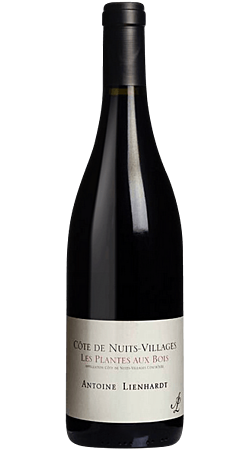
The history of the Antoine Lienhardt Estate
First and foremost, a family story
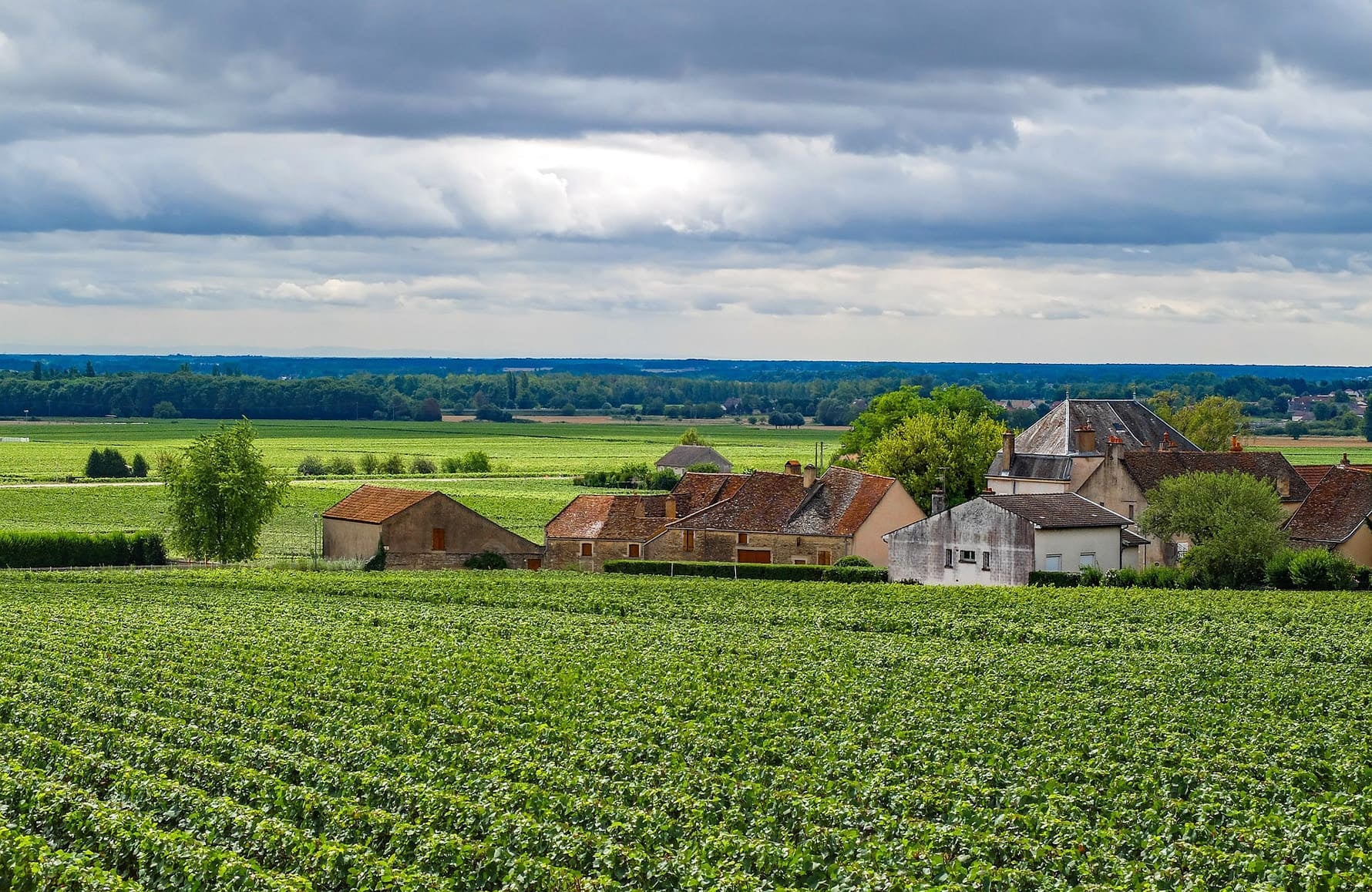
Located south of theCôte de NuitshasComblanchien, THELienhardt Estateis now represented by the fourth winemaker in the family,Antoine Lienhardt.It isGustave Guyotat the end of the 19th century, this family business began by purchasing the land. Subsequently, his sonAnselmand his brother George will take over the land.Maurice Guyot,Anselm's only son will take over the reins upon his father's retirement.
Maurice GuyotHaving ceased all activity in 1992, it was not until 2011 that his grandson, Antoine, took over the estate after training in various wine-growing regions such as Chablis, Chambolle-Musigny, and even in South Africa.
Today, they areAntoine and Héloïse Lienhardtwho are at the head ofDomainBoth passionate about gastronomy, wine culture and above all about environmental imperatives, they represent the new generation and produce wines with a very promising future.
The philosophy of Domaine Antoine Lienhardt
Nature first and foremost
Both are concerned by climate change and the “water-air-soil” relationship.Antoine and Héloïsefavor organic farming. The particular attention paid to preserving soil life and respecting natural cycles has also driven theDomaine Antoine Lienhardtto convert toOrganic Farming in 2019coupled with biodynamic practices. No synthetic treatments are used in the cultivation of the vines. Furthermore, their approach is also reflected in their use of no external additives or systemic treatments in the production of their products. Biodynamics is also used as a complement in the winemaking process, meaning that lunar cycles are respected for work both outdoors and in the cellar. In addition,2020Antoine and Héloïse sowed a winter cover crop for the first time, which consisted of:
- clover
- wheat
- peas
- Chinese radish
The winemaking process at Domaine Antoine Lienhardt
Environmentally friendly expertise
AtDomaine Antoine Lienhardt,Each bunch of grapes is harvested by hand, and each wine is made from whole bunches. Vinification takes place in stainless steel tanks, and maceration is short. Crushing is carried out according to the specific characteristics of each tank. All wines are aged without additives and are partially transferred by gravity to the barrel cellar. The remaining wines are aged in concrete eggs and stoneware jars. For the past few years, theDomaine Antoine LienhardtThey are undertaking trials to minimize the use of oak in their wines. Concrete eggs have emerged as the best solution, allowing the wines to respect and express the terroir to its fullest potential. More precisely, the ovoid shape of the concrete egg creates a constant, circular movement of the lees, thus requiring less intervention during vinification. This alternative also imparts a certain freshness and elegance to the wines.