A family story
A VINEYARD DATING FROM THE 17TH CENTURY
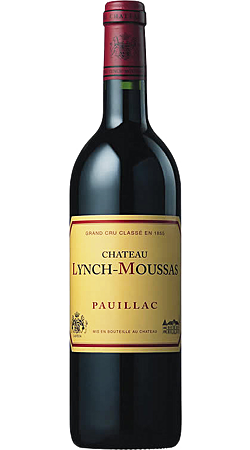
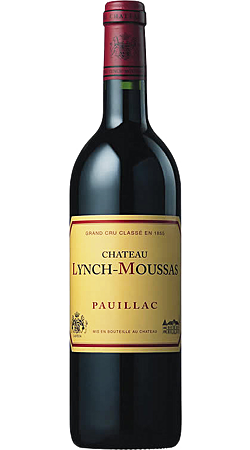
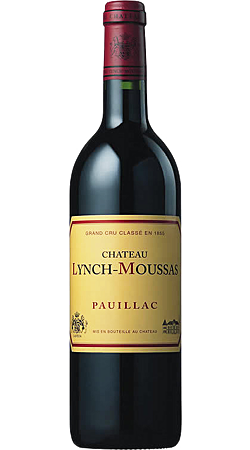
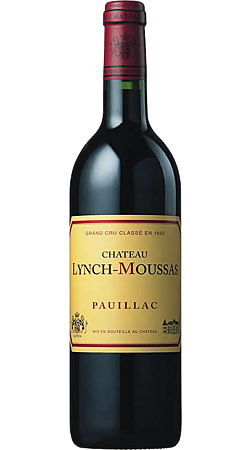
Château Lynch-Moussas is aGrand Cru Classé Pauillacsince 1885.
The vineyard's origins date back to 1610, when Jehan's family owned the Domaine de Moussas-Bages. Purchased in 1728 by the Drouillard family, the estate became the property of Thomas Lynch, husband of Elisabeth Drouillard, in 1748. He then renamed the estate Château Lynch. In 1779, Jean-Baptiste Lynch, the mayor of Bordeaux at the time, inherited the château. Upon his death in 1779, the estate was divided into two properties:Château Lynch-Moussaswho guards the building and Château Lynch-Bages.
In 1847, Château Lynch-Moussas was acquired by the Vasquez family, Spanish wine merchants. The property passed into the family's hands in 1919, when Jean Castéja inherited it. At that time, the Château comprised 250 hectares, including 120 hectares of vineyards. Later, his sons decided to divide the family assets.
Emile Castéja took over the estate in 1970 and undertook extensive renovations. The vineyard, which had dwindled to less than 10 hectares, expanded to 60 hectares. The building and winery were modernized, and Château Lynch-Moussas regained its former splendor. Today, it is Emile's son,Philippe Castéja, who is responsible for the Château. The year 2001 marked the launch of a second wine: Les Hauts de Lynch-Moussas, made from the youngest vines of the estate.
Quality grapes
A YEAR DISTILLED BY THE VINE
The vineyard ofChâteau Lynch-Moussasis located on theLeft Bank50 kilometers north of Bordeaux, in the appellationPauillacSince 2001,Philippe Castéjacultivates a plot of land south of the castle which is located within the appellationHaut-MédocThe 62 hectares of vines benefit from a high-quality terroir, adjacent to that of prestigious châteaux such as Château Latour, Château Lynch-Bages, and Batailley. The gravelly soil is composed of pebbles and gravel cemented by clayey sands. The grape varieties are 75% Cabernet Sauvignon and 25% Merlot.
The year at the castle is punctuated by thevineyard workcarried out by the team of winemakers. Starting in winter, pruning, tying, and soil maintenance are performed. Tilling is done mechanically, allowing for more environmentally friendly weed removal. The arrival of spring brings shoot thinning, scalding, and trellising. Trimming, leaf removal, and green harvesting take place during the summer. The harvest occurs when the grapes are ripe, between mid-September and the end of October. It is done by hand with the help of seasonal harvesters. The bunches of the two grape varieties are harvested separately. An initial sorting of the grapes is carried out in the vineyards during the harvest; only the berries in perfect condition are kept. Then the bunches go onto the sorting table for a second selection. All of this underscores thequality of the grapesof Château Lynch-Moussas.
Excellence from vine to bottle
STRENGTH, BRAVERY AND NOBILITY
Once the harvest is complete, the grapes are destemmed and the juice is extracted and placed in vats. Each plot has its own vat to ensure thetraceabilityThe work carried out in the vineyard is monitored and adapted as needed. To extract tannins and aromas, the must undergoes cold maceration for a few days. After racking, alcoholic fermentation begins in temperature-controlled stainless steel tanks for three to four weeks. The press wine is then discarded, and malolactic fermentation can begin. The tanks from each plot are then tested to determine the first and second wines. Aging in barrels lasts 14 to 24 months, depending on the vintage and the wine. Sixty percent of the barrels in the winery are new, and the wood for each one comes from large French oak forests. The barrels are made by seven different coopers. After four months of rest in barrels, the wines are brought to the fermentation room for blending before returning to the winery for a year of aging.
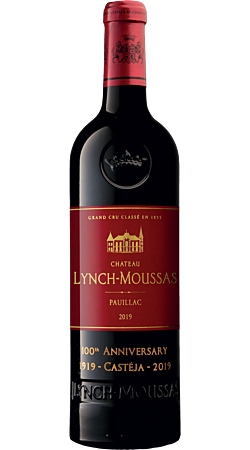
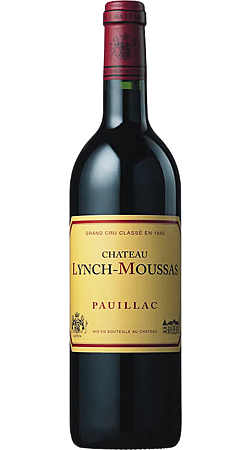
Therebottlingtakes place at the castle and theCastéja familygreat importance is placed on the finishing touches. The stopper is made of high-quality cork, and the bottle has its own distinctive features: the base is engraved, the shoulders are domed, and the cork diameter is specific. The two lions from the Castéja family coat of arms are depicted on the capsule; they symbolizestrength, braveryAndthe nobilityChâteau Lynch-Moussas offers a full and complex palate with fruity and woody aromas.